
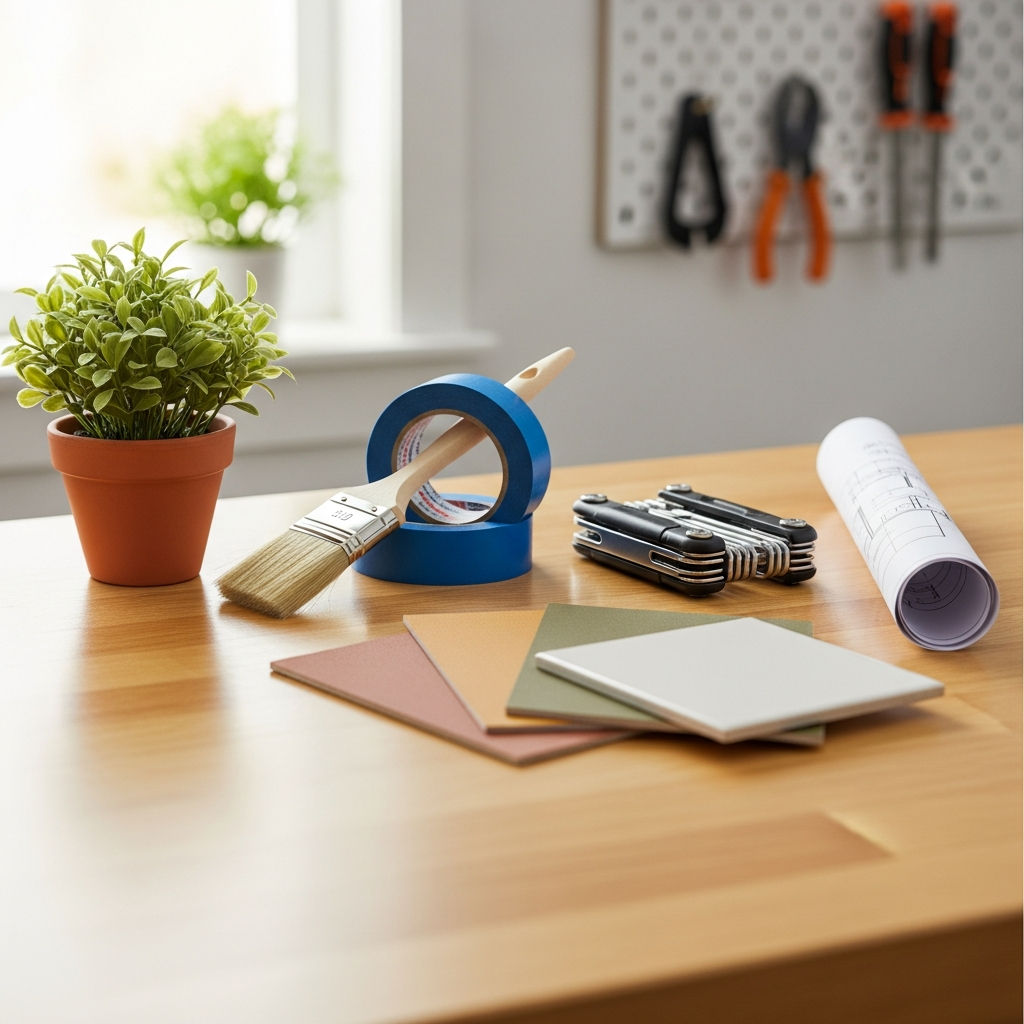
Revolutionize Your Living Space: 5 Quick Tips to Improve Your Home Improvement
Home improvement is often synonymous with dusty construction zones, massive budgets, and months of waiting for contractors to finish a job. However, the secret to a beautiful, functional, and valuable home doesn’t always lie in a full-scale demolition. Sometimes, the most significant impact comes from small, strategic changes that enhance your daily living experience and boost your property’s market value.
Whether you are preparing to sell or simply want to fall in love with your house all over again, focusing on high-impact, low-effort tasks is the smartest way to approach renovation. In this guide, we will explore five quick tips to improve your home improvement strategy, ensuring you get the best results with minimal stress.
1. Master the Power of Paint and Color Palettes
If there is one “magic wand” in the world of home improvement, it is a fresh coat of paint. Painting is the most cost-effective way to completely transform the mood and size perception of a room. It covers imperfections, modernizes dated aesthetics, and provides a clean slate for your interior design.
- Choose Neutral Tones for Versatility: While bold colors are trendy, neutral shades like “greige,” soft whites, and muted earth tones provide a timeless backdrop. They make spaces feel larger, brighter, and more inviting to potential buyers.
- Don’t Forget the Trim and Doors: Often, homeowners paint the walls but leave the baseboards and doors untouched. Refreshing your trim with a crisp, semi-gloss white can make the entire room pop and feel professionally finished.
- Accent Walls for Depth: If you want to experiment with color without committing to an entire room, choose one focal wall—perhaps behind the bed or the sofa—to paint in a deeper, contrasting hue. This adds immediate architectural interest.
When selecting paint, always test swatches on different walls at various times of the day. Natural light can dramatically change how a color looks, and what looks great in the store might feel too yellow or too cool in your living room.
2. Upgrade Your Lighting Strategy
Lighting is the most underrated element of home design. A poorly lit room can feel cramped and dingy, no matter how expensive the furniture is. On the other hand, a well-lit space feels energized and expansive. Improving your lighting is a quick fix that pays dividends in both aesthetics and functionality.
To truly improve your home improvement project, think of lighting in three layers:
- Ambient Lighting: This is your general overhead light. Replace old, yellowish incandescent bulbs with “daylight” or “warm white” LEDs to instantly modernize the glow of your home.
- Task Lighting: Focus on areas where work happens. Add under-cabinet LED strips in the kitchen or a sleek desk lamp in the home office. This improves the utility of the space.
- Accent Lighting: Use spotlights or wall sconces to highlight artwork, bookshelves, or architectural features. This creates a “luxury hotel” feel with very little effort.
For an even quicker upgrade, consider replacing dated light fixtures. Swapping a 1990s boob-light for a modern drum pendant or a minimalist chandelier can serve as the “jewelry” of the room, drawing the eye upward and making the space feel curated.
3. Focus on Hardware and Fixture Swaps
The “details” are where many home improvement projects fail to reach their full potential. You don’t need to replace your entire kitchen cabinetry to make it look new; sometimes, all you need is a screwdriver and some high-quality hardware. This is often referred to as “micro-remodeling.”
Consider upgrading the following items for an instant facelift:
- Cabinet Handles and Knobs: Swap out basic wooden or plastic pulls for matte black, brushed gold, or polished nickel hardware. This is particularly effective in kitchens and bathrooms.
- Faucets and Showerheads: A modern, high-arc kitchen faucet or a rain-shower head in the bathroom adds a touch of luxury and improves the daily user experience.
- Switch Plates and Outlet Covers: Replace cracked or yellowed plastic covers with sleek, modern versions. It’s a tiny detail that makes a house feel “well-maintained” rather than “lived-in.”
These swaps are incredibly beginner-friendly and can usually be completed in a single afternoon. They provide a high-end look without the high-end price tag of a full renovation.
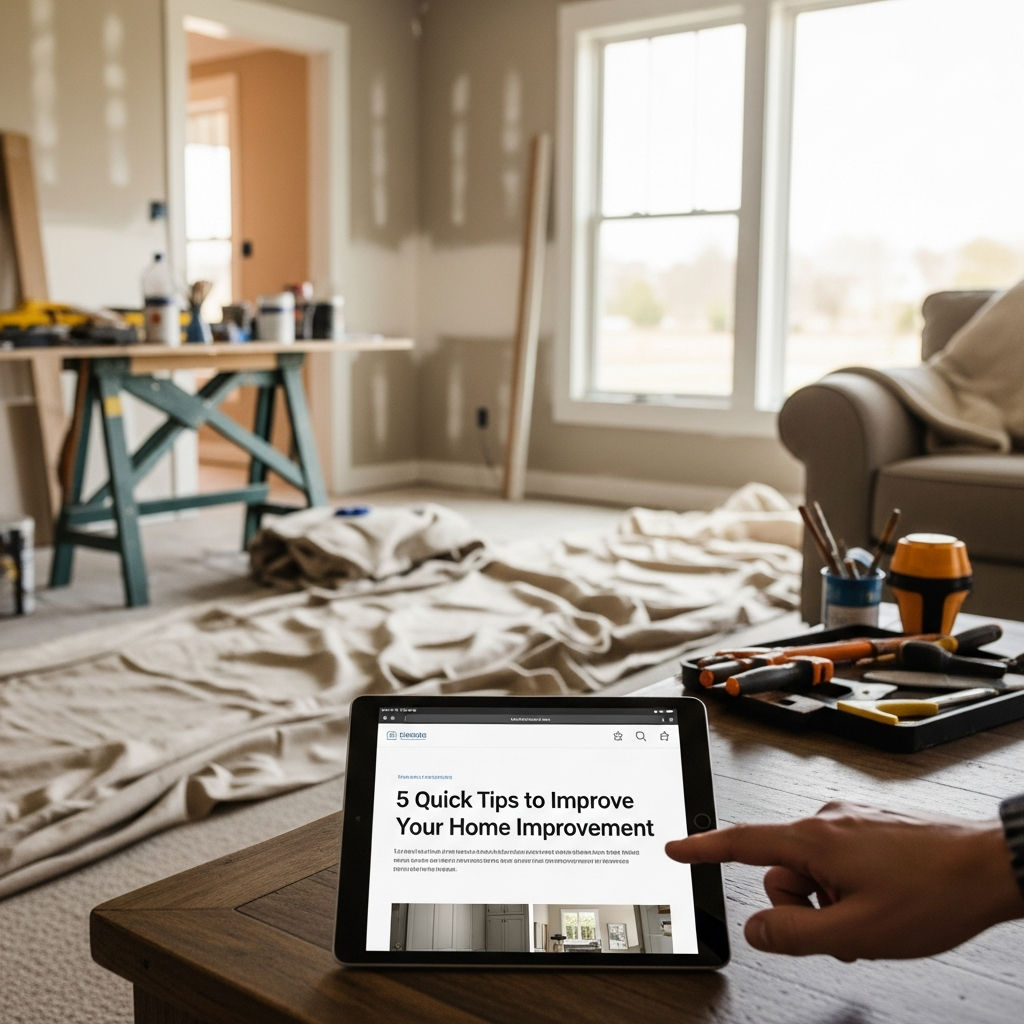
4. Boost Your Curb Appeal Instantly
Home improvement shouldn’t stop at the front door. The exterior of your home sets the tone for everything else. Curb appeal is essential for property value, but it’s also about the feeling you get when you pull into your driveway after a long day.
Improving your curb appeal doesn’t require a professional landscaper. Start with these quick wins:
- The Front Door Focal Point: Paint your front door a bold, welcoming color like navy blue, forest green, or classic red. Ensure the hardware (handle and lockset) is polished and functional.
- Update House Numbers and Mailboxes: Replace dated, plastic house numbers with modern, metallic fonts. If your mailbox is leaning or rusted, replace it with a sturdy, contemporary model.
- Landscaping Basics: You don’t need a garden makeover. Simply edging the lawn, adding a fresh layer of dark mulch to flower beds, and placing two symmetrical potted plants by the entrance can work wonders.
A clean exterior suggests a well-cared-for interior. If you have a pressure washer, a quick blast on the siding and the driveway can remove years of grime and make the house look brand new.
5. Implement Smart Storage and Decluttering Solutions
The ultimate goal of home improvement is to make your life easier. A home that is beautiful but cluttered is a home that causes stress. One of the quickest ways to improve your living environment is to optimize your storage and clear the visual noise.
Instead of buying more furniture, look for “hidden” storage opportunities:
- Utilize Vertical Space: Install floating shelves in the living room or laundry room. This keeps items off the floor and draws the eye upward, making the ceilings feel higher.
- Organize High-Traffic Zones: Create a “drop zone” near the entryway with hooks for coats and a dedicated basket for mail and keys. This prevents the “clutter creep” that often takes over dining tables.
- The “One-In, One-Out” Rule: As you improve your home, take the opportunity to purge items you no longer use. A decluttered space feels larger and allows your design choices to shine.
When everything has a designated place, the home feels more intentional. Smart storage solutions, such as drawer organizers or closet systems, are inexpensive ways to maximize the square footage you already have.
Final Thoughts: Planning Your Improvement Journey
The key to successful home improvement is consistency and prioritization. You don’t have to tackle all five of these tips in one weekend. Start with the room that frustrates you the most or the area that you spend the most time in. By focusing on paint, lighting, hardware, curb appeal, and organization, you are investing in the “bones” of your home’s atmosphere.
Remember, home improvement is a marathon, not a sprint. Even the smallest change—like a new set of brass knobs on an old dresser or a bright LED bulb in a dark hallway—contributes to a more harmonious living environment. By following these quick tips, you can achieve professional-looking results on a DIY budget, ultimately creating a home that is as functional as it is beautiful.